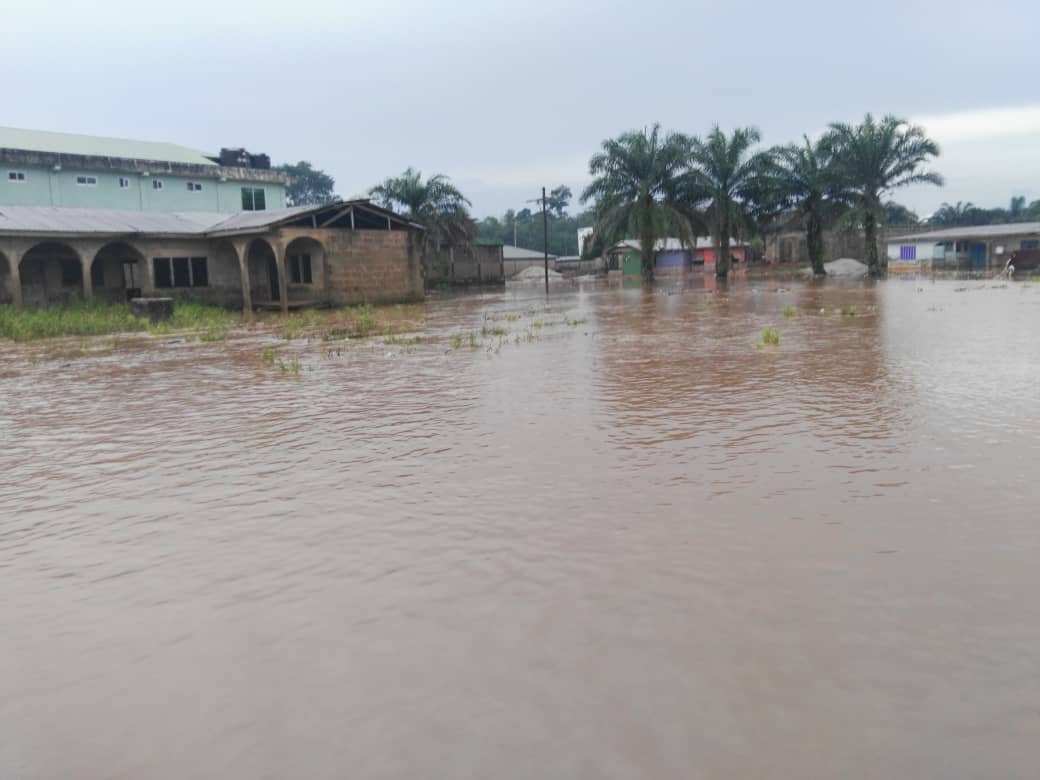
Heavy rainfall should bring relief to communities—not destruction. Unfortunately, the torrential rains of 29 June 2026 became a painful reminder of the devastating consequences of flooding in Ghana. Thousands of families were affected, homes and businesses were damaged, and many people were forced to leave behind everything they had worked for over many years.
According to updates from emergency authorities, the floods affected 38,802 people and displaced 7,761 households across several communities, with the Ga East Municipality among the hardest-hit areas. Beyond the statistics are thousands of personal stories of hardship, resilience, and hope that deserve national attention.
One Family's Story of Survival
Among those affected was a resident of Dome whose printing business was completely overwhelmed by floodwaters. Within a short period, rising water entered the shop, destroying furniture, electrical equipment, important documents, business materials, and many personal belongings.
For the victim, the experience represented far more than financial loss. Years of dedication and hard work disappeared within hours while the safety of family members became the greatest concern. Like many other residents, the victim believes that blocked drainage channels, indiscriminate disposal of waste into gutters, and uncontrolled development on waterways continue to increase the severity of flooding within the municipality.
"Flood prevention is a shared responsibility. Together we can build safer, cleaner and more resilient communities for future generations."
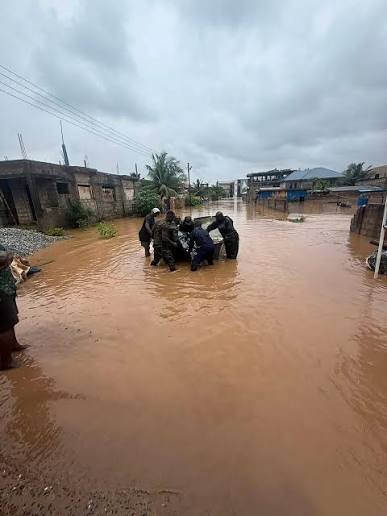
Why Flooding Continues to Affect Our Communities
Flooding is often perceived as a natural disaster. However, many of the factors that increase its severity result from human activities and inadequate urban planning. Poor drainage infrastructure, indiscriminate waste disposal, construction on waterways, and the destruction of natural wetlands reduce the environment's ability to safely manage heavy rainfall.
The consequences extend far beyond damaged buildings. Flooding disrupts
education, destroys businesses, threatens public health, damages roads
and public infrastructure, interrupts economic activities, and places
additional pressure on already vulnerable households.
see video
Practical Actions We Must Take
- Construct and regularly maintain efficient stormwater drainage systems.
- Desilt gutters, drains and culverts before and during the rainy season.
- Prevent construction on wetlands, floodplains and natural waterways.
- Strengthen responsible land-use planning and enforcement.
- Promote proper waste management and discourage dumping refuse into drains.
- Establish community volunteer clean-up programmes.
- Improve flood forecasting and early warning systems.
- Protect wetlands and increase tree planting.
- Invest in sustainable urban drainage infrastructure.
- Strengthen collaboration between government, communities and civil society.
TIMOSA Foundation's Call to Action
As an organization committed to promoting environmental sustainability, sustainable urban development, disaster risk reduction and community resilience across Ghana, TIMOSA Foundation calls on government institutions, metropolitan and municipal authorities, traditional leaders, businesses, development partners and every citizen to work together towards practical and long-term flood prevention solutions.
Building resilient communities requires more than responding to emergencies after disasters occur. It requires continuous investment in infrastructure, environmental protection, public education, community participation and responsible planning that protects both lives and livelihoods.
Conclusion
The experience of the Dome flood victim reminds us that behind every disaster statistic is a family, a business, and a community struggling to recover. While climate variability contributes to more intense rainfall events, responsible environmental management and effective urban planning remain essential in reducing flood risks.
Flood prevention is a shared responsibility. By protecting our waterways, maintaining drainage systems, improving waste management, supporting sustainable development, and working together as responsible citizens, Ghana can significantly reduce the devastating impact of future floods.
Together, let us build flood-resilient communities, protect lives and livelihoods, and create a safer, healthier and more sustainable future for generations to come.
TIMOSA Foundation
TIMOSA Foundation is a non-profit organization committed to environmental sustainability, community development, education, climate resilience and social inclusion through innovative and impactful programmes across Ghana.